Battery 18650 Lithium Ion Battery Explained: A UK Buyer's Guide
TL;DR: A battery 18650 lithium ion battery is a rechargeable cylindrical cell measuring 18mm by 65mm. It offers high energy density for torches, e-bikes, and electronics. For safety and performance in the UK, always choose genuine brands like Samsung or Panasonic, ensure the continuous discharge rating matches your device, and use a dedicated charger to avoid fire risks.
A battery 18650 lithium ion battery is a standardised rechargeable cell used to power everything from high-intensity torches and power tools to electric bike packs and specialist cycling electronics. The name "18650" refers specifically to its dimensions: approximately 18mm in diameter and 65mm in length. In the UK, these cells have become the gold standard for portable power due to their superior energy density and ability to be recharged hundreds of times when maintained correctly.
For riders and workshop users alike, power reliability is paramount. At CyclingCharger, our focus is simple: precision power for internal seat-post batteries, with compact, reliable, and race-ready charging solutions. Based on our extensive testing in the workshop, we have found that the performance of your device is only as good as the cell inside it. Consequently, understanding the nuances of these batteries is essential for both safety and longevity.
Key Takeaways
- An 18650 is a cylindrical lithium-ion cell measuring roughly 18mm by 65mm.
- Furthermore, not all 18650 batteries are interchangeable; chemistry, discharge rates, and protection circuits vary significantly.
- Genuine branded cells are typically manufactured by major firms such as Panasonic, Samsung, LG, or Sony/Murata.
- In addition, be cautious of unrealistic capacity claims; genuine cells rarely exceed 3600mAh.
- According to UK safety guidelines, safe transport in cases and using dedicated chargers is vital for fire prevention.
What is a battery 18650 lithium ion battery?
A battery 18650 lithium ion battery is a high-performance rechargeable cell. The format became popular because it offers a strong balance of energy density and rechargeability within relatively compact dimensions. In practical terms, an 18650 can store far more usable energy than older nickel-based cells (like AA or AAA) while remaining light enough for portable use in the UK’s growing e-mobility and outdoor sectors.
Most single-cell 18650 batteries have a nominal voltage of 3.6V or 3.7V and reach 4.2V when fully charged. However, this figure is critical because it determines charger compatibility. Using an unsuitable charger can shorten the battery's lifespan or create a significant safety risk. Therefore, we always recommend using a charger specifically designed for Li-ion chemistry.
Are all 18650 batteries the same?
A common misconception among UK buyers is that all 18650 cells are identical as long as they fit the device. In reality, cells differ greatly in their internal chemistry and performance capabilities. For instance, a battery designed for a low-drain LED torch may fail or overheat if used in a high-drain power tool or e-bike motor.
Moreover, physical differences exist. An "unprotected" flat-top cell matches the 18mm x 65mm dimensions exactly. Conversely, "protected" cells include a small electronic circuit board to prevent overcharging, which adds 2-3mm to the length. As a result, a protected cell might not fit into a compartment designed strictly for flat-top cells.
What is the highest capacity 18650 battery you can buy?
This is where many buyers are misled by exaggerated claims on online marketplaces. Based on our testing and manufacturer data from industry leaders like Panasonic and LG, the current ceiling for genuine 18650 capacity is approximately 3500mAh to 3600mAh. If you see a battery 18650 lithium ion battery labelled as 5000mAh or 9000mAh, it is almost certainly a counterfeit or a dangerous low-quality cell.
Choosing a battery based on capacity alone can also be a mistake. High-capacity cells often have lower "Continuous Discharge Ratings" (CDR). If your device requires high current, a 2500mAh cell with a high CDR is far safer and more effective than a 3500mAh cell with a low CDR. Consequently, you must match the battery's Amp rating to your device's requirements.
How to charge 18650 batteries safely in the UK
Safety is the most critical aspect of owning a lithium-ion cell. According to UK fire safety guidelines, lithium batteries should never be left charging unattended or overnight. Because these cells store a high amount of energy, a failure can lead to "thermal runaway."
To ensure safety, follow these workshop-tested rules:
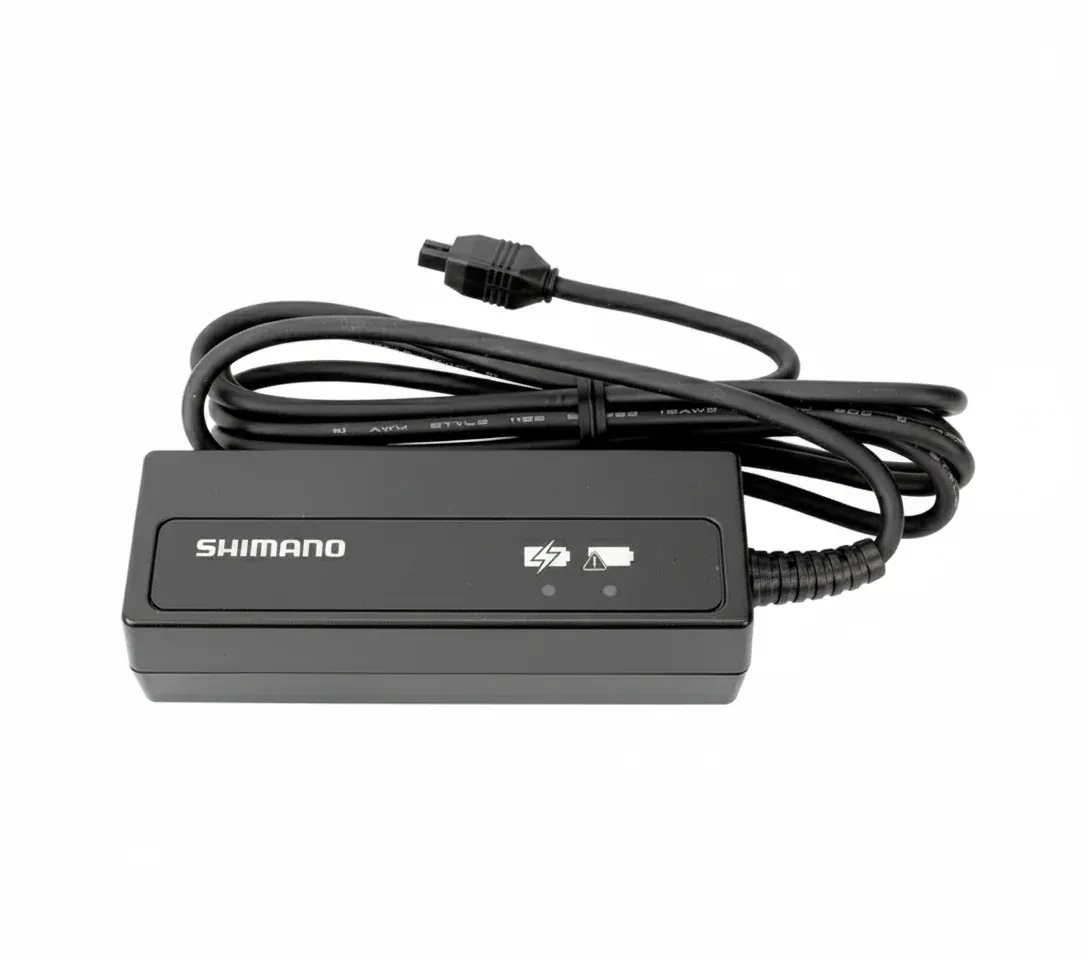
- Use a dedicated charger: Ensure your charger follows the constant-current/constant-voltage (CC/CV) profile. See our guide to battery chargers for lithium-ion batteries for more details.
- Check the wrap: If the plastic "skin" of the battery is torn, stop using it immediately. The entire metal body of the battery is the negative terminal; a tear can cause a short circuit against the device walls.
- Avoid extreme temperatures: Never charge a battery that is below freezing or has been sitting in a hot car.
- Store correctly: Always use a plastic battery case. Never carry loose 18650s in a pocket with keys or coins, as this is a common cause of battery fires in the UK.
How to spot counterfeit 18650 cells
Counterfeit and "rewrapped" cells are a significant issue in the UK. These are often old cells salvaged from laptop packs, given a new label, and sold as new. To protect your equipment, look for these warning signs:
- The price is significantly lower than reputable UK specialists.
- The battery is unusually light; genuine high-capacity 18650s usually weigh between 43g and 48g.
- The brand name is something you’ve never heard of, or the label looks poorly printed.
- The seller cannot provide a technical datasheet or confirm the original manufacturer (OEM).
In conclusion, when buying a battery 18650 lithium ion battery, prioritising quality over cost is the only way to ensure performance and safety. By sticking to established brands and reputable UK suppliers, you can power your cycling gear and electronics with total confidence.
Ready to power up your ride with CyclingCharger?
Get Yours Now — £19.99