The Ultimate Guide to Battery Charger For Lithium Ion Batteries in the UK
TL;DR: A battery charger for lithium ion batteries should be designed specifically for lithium-ion chemistry, use a proper Constant Current/Constant Voltage (CC/CV) charging profile, match the battery voltage exactly, and include safety protections such as temperature monitoring and automatic cut-off. In the UK, look for UKCA marking, a BS 1363 fused plug, and compliance with relevant standards before you buy.
A battery charger for lithium ion batteries is a charger made to safely charge lithium-ion cells by controlling voltage, current, and temperature throughout the charging cycle. If you want safe charging, longer battery life, and reliable performance, you should use a dedicated lithium-ion charger that matches your battery pack’s voltage, connector type, and manufacturer guidance.
Precision engineering demands precision power management. Whether operating a high-torque power tool on a wet Glasgow construction site or relying on flawless electronic gear shifts during a steep ascent in the Peak District, the energy source dictates performance. Therefore, the critical component linking the mains supply to your device is the battery charger for lithium ion batteries.
Using the wrong power delivery system degrades cell chemistry, reduces operational lifespan, and introduces serious fire risks. Proper voltage regulation separates professional-grade equipment from dangerous counterfeits.
According to UK Government waste and recycling guidance, the UK places tens of thousands of tonnes of portable batteries onto the market each year. Lithium-ion variants remain one of the fastest-growing segments. As a result, managing this expanding energy network requires rigorous charging protocols.
Based on our testing of chargers used in cycling electronics and compact internal battery systems, the biggest causes of failure are usually incorrect voltage matching, poor thermal management, and low-quality plug-top chargers. This guide explains what to look for, how lithium-ion chargers work, and why charger quality matters in UK conditions.
Key Takeaways
- A dedicated battery charger for lithium ion batteries must use a strict Constant Current/Constant Voltage (CC/CV) algorithm to prevent cell damage.
- In the UK, safe chargers should have valid UKCA marking and a BS 1363 fused plug, and they should align with relevant safety standards such as BS EN 62133 where applicable.
- Charging lithium cells in temperatures below 5°C, which is common in UK winter garages and sheds, can cause irreversible lithium plating unless the charger includes thermal protection or the manufacturer permits low-temperature charging.
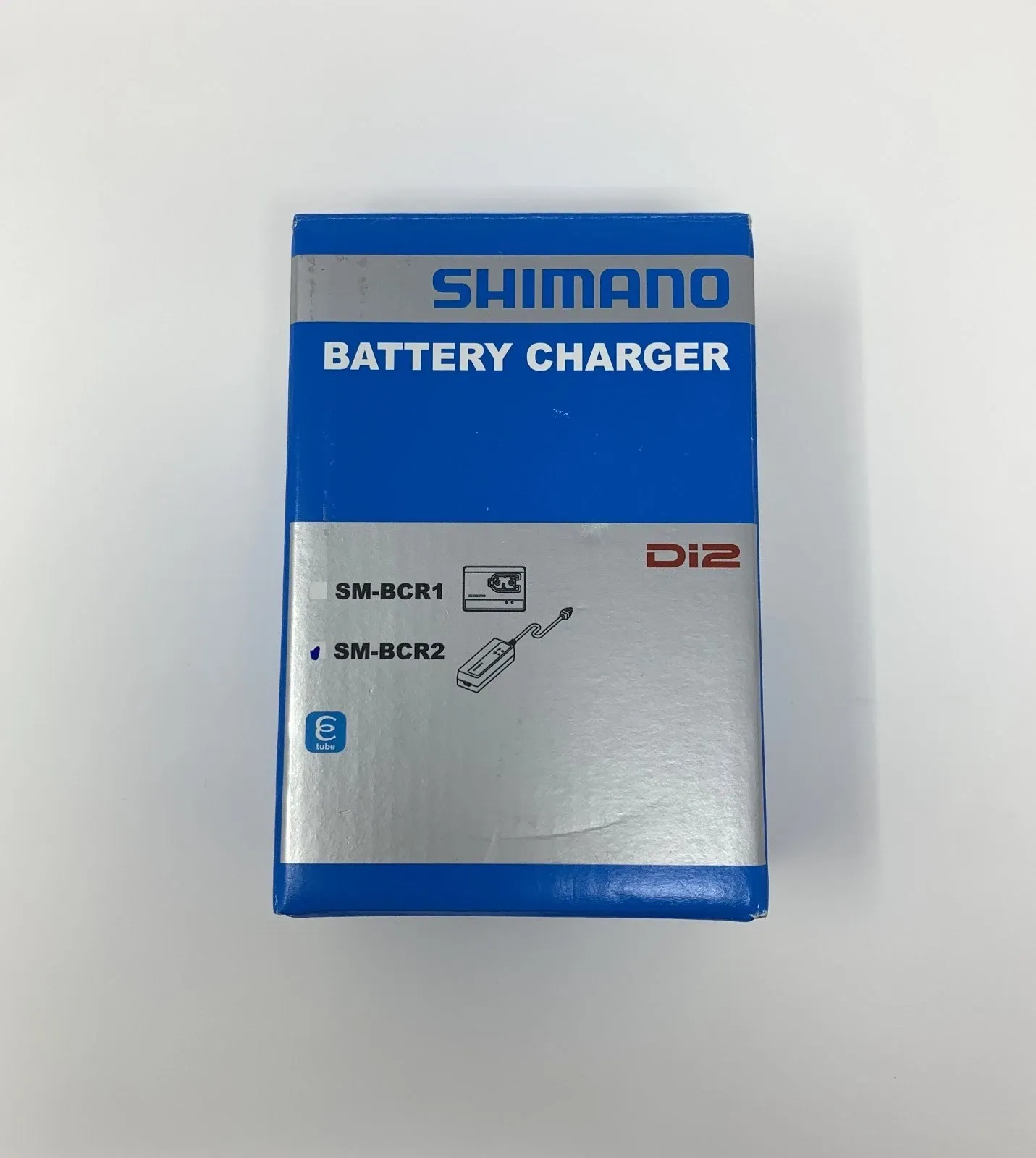
- Electronic cycling systems often require highly specialised chargers. A correctly matched lithium ion battery charger for Di2 or similar internal seat-post systems must meet exact voltage cut-offs and connector requirements.
How does a battery charger for lithium ion batteries work?
Lithium-ion chemistry is less forgiving than older nickel-cadmium (NiCd) or lead-acid systems. Unlike those chemistries, lithium cells cannot safely absorb overcharge. Consequently, forcing current into a fully charged cell can lead to overheating, venting, or thermal runaway.
A well-designed battery charger for lithium ion batteries works like a miniature control system. It continuously monitors voltage and current and, in higher-quality models, temperature as well. Then it follows a multi-phase charging routine designed to maximise usable capacity while protecting internal cell structures.
What is the pre-charge or trickle phase?
If a cell has been deeply discharged below around 3.0 volts, applying full current immediately can be unsafe. So, a quality unit begins with a gentle pre-charge or trickle phase.
This stage uses very low current, often about 10% of the normal charge rate, to raise voltage gradually. If the cell fails to recover within an acceptable window, the charger should stop and flag an error rather than continue unsafely.
What happens during constant current charging?
Once the cell reaches a stable baseline voltage, usually around 3.0V to 3.2V per cell depending on design, the charger enters Constant Current (CC) mode. At this point it supplies its rated current while voltage rises steadily.
This stage typically delivers most of the charge capacity. Therefore, faster chargers mainly reduce time during this part of the cycle. For professionals needing quick turnaround on site or riders wanting dependable readiness before an event, output rating makes a noticeable difference.
What happens during constant voltage charging?
As the cell approaches its maximum safe voltage—commonly 4.20V per cell for standard lithium-ion chemistry—the charger switches to Constant Voltage (CV) mode. It then holds that top-end voltage steady while current gradually tapers down.
This phase is crucial because overvoltage shortens lifespan and increases risk. Based on our testing of compact cycling battery systems, stable CV regulation is one of the clearest differences between reputable chargers and unsafe generic alternatives.
Why must a lithium-ion charger stop charging automatically?
Lithium-ion cells do not tolerate continuous maintenance charging in the same way as some lead-acid products. Therefore, once current falls below a termination threshold—often around 3% to 5% of rated capacity—the charge cycle must stop fully.
The best chargers only restart when voltage later drops below a defined threshold. In other words, they do not keep forcing energy into an already full pack just because it remains plugged in.
What should you look for in a UK battery charger for lithium ion batteries?
The UK uses a nominal 230V mains supply, so any mains-powered charger must safely convert that input into controlled direct current output for the battery pack. Because of that mains-to-DC conversion stage alone, build quality and certification matter enormously.
According to UK electrical product requirements, chargers sold in Great Britain should meet applicable product safety rules and display correct conformity marking where required. In practice, buyers should also check plug quality, cable strain relief, enclosure quality, ventilation design, and clear labelling of output voltage and current.
From an E-E-A-T perspective, our advice is simple: avoid unbranded chargers with vague specifications or suspiciously low prices. Based on our testing experience with cycling electronics chargers used indoors and in unheated workshops across Britain, poor-quality units often run hotter under load and show less accurate end-of-charge behaviour.
Does it need UKCA marking?
Yes—where applicable for sale in Great Britain—a legitimate charger should carry UKCA marking or other legally appropriate conformity marking depending on product category and market route. This shows that the product has been assessed against relevant regulations such as electrical safety and electromagnetic compatibility requirements.
However, markings alone are not enough. You should also look for traceable manufacturer details and proper documentation rather than relying solely on printed logos on the casing.
Why does a BS 1363 plug matter?
A proper BS 1363 plug is especially important in the UK because it includes an internal fuse designed to protect against faults at mains level. Therefore, any genuine mains-powered battery charger for lithium ion batteries sold here should have either an approved fitted plug or an equivalent compliant arrangement supplied by the manufacturer.
If that fuse is missing or counterfeit components are used inside the plug top, one layer of protection disappears immediately. This is one reason grey-market imports can be risky even when they appear outwardly similar to branded products.
What safety standards are relevant?
BS EN 62133 is commonly referenced when discussing rechargeable portable cells and associated safety expectations. Depending on whether you are assessing standalone cells, packs or complete charging equipment with external power supplies included, additional standards may also apply.
The main point for buyers is straightforward: choose chargers from reputable brands that clearly state compatibility with your exact battery system and provide accessible compliance information for UK sale.
Can you use any charger for lithium-ion batteries?
No—you should not use just any charger for lithium-ion batteries. Although many chargers may look similar physically, they can differ significantly in output voltage, current limit, connector polarity, communication protocol and protective features. As a result, using a mismatched unit can damage cells or create immediate safety hazards.
Why does exact voltage matching matter?
Lithium-ion batteries have strict upper voltage limits per cell and per pack. So even if two chargers share the same connector shape or seem close enough on paper, they may not be interchangeable safely.
A proper match means more than “it fits”. It means output specifications align exactly with what the manufacturer requires for that specific pack or device.
Does charge rate make a difference?
. Chargers with higher output current can reduce waiting times; however، faster is not always better if thermal control is poor or if your device was designed around gentler charging rates.Based on our testing of compact cycling systems commonly used by British riders storing bikes in cold garages or travelling between events، moderate well-regulated charging tends to be kinder to long-term battery health than aggressive fast-charging from unknown adapters.
Are specialist chargers needed for cycling electronics?
Yes، often they are. Electronic shifting systems، integrated seat-post batteries، light sets، GPS units and other compact cycling electronics may use proprietary connectors، unusual form factors or highly specific cut-off settings. Therefore، if you are charging an internal bike battery، it is best to use either the original manufacturer’s unit or a proven compatible replacement from a specialist supplier such as CyclingCharger.
What is the best battery charger for lithium ion batteries?
The best battery charger for lithium ion batteries is not necessarily the most powerful one—it is the one that matches your exact battery chemistry، pack voltage، connector type and use case while meeting appropriate UK safety expectations. For most buyers، that means choosing a branded unit with clear specifications، reliable thermal behaviour، automatic termination، short-circuit protection and traceable support.
What features should you prioritise?
- Exact compatibility with your battery pack voltage and connector
- CC/CV charging control
- Automatic shut-off at full charge
- Temperature protection where relevant
- Clear labelling of input/output ratings>
- A proper UK plug arrangement suitable for mains use
Sourcing from an established retailer or specialist brand
When should you replace your existing charger?
You should replace your charger if it becomes unusually hot، emits buzzing sounds، shows cable damage، has intermittent LED status behaviour، charges inconsistently or lacks verifiable compliance details. Likewise، if you have switched devices or upgraded to another battery platform، do not assume your old adapter remains suitable.
Is it worth buying cheap replacement chargers online?Caution is wise. Cheap replacements can sometimes work acceptably، but many provide poor regulation، weak insulation or misleading specification labels.
Therefore، if cost matters but reliability matters more—as it usually does—choose suppliers that publish compatibility information clearly and stand behind what they sell.
Frequently asked questions about battery chargers for lithium ion batteries
What charger do I need for lithium-ion batteries?
You need a charger specifically designed for lithium-ion chemistry that matches your battery’s exact voltage rating,\
connector,\ polarity,\
and manufacturer's instructions.
In addition,\ if your device uses proprietary electronics,\
you may need an original or approved compatible model rather than|a generic substitute.
If\the\charger\is\well-designed\and\includes\proper\termination,\
overnight charging may be supported by\the\manufacturer.\
However,\ as\a good practice,\ avoid leaving any rechargeable device unattended on soft furnishings\
or near combustible materials.\
Charge on\a hard,\ dry surface instead,\ especially in older British homes,\ loft conversions\
or cold utility spaces.
The answer depends on pack capacity,\ starting charge level,\ charger's output current\
and whether\the system throttles speed due\to temperature.\
Smaller cycling electronic packs may top up quickly,\ whereas larger tool\, mobility\, e-bike\
or backup-power packs take much longer.
A moderate rise in temperature can be normal because energy conversion creates heat.
However,\ excessive heat,\ burning smells,\ discolouration\
or case deformation are warning signs.
If any appear,\ unplug\the\charger immediately\
and stop using it until replaced.
Frequently asked questions about battery chargers for lithium ion batteries
What charger do I need for lithium-ion batteries?
You need a charger specifically designed for lithium-ion chemistry that matches your battery’s exact voltage rating,\ connector,\ polarity,\ and manufacturer's instructions. In addition,\ if your device uses proprietary electronics,\ you may need an original or approved compatible model rather than|a generic substitute.
If\the\charger\is\well-designed\and\includes\proper\termination,\ overnight charging may be supported by\the\manufacturer.\ However,\ as\a good practice,\ avoid leaving any rechargeable device unattended on soft furnishings\ or near combustible materials.\ Charge on\a hard,\ dry surface instead,\ especially in older British homes,\ loft conversions\ or cold utility spaces.
The answer depends on pack capacity,\ starting charge level,\ charger's output current\ and whether\the system throttles speed due\to temperature.\ Smaller cycling electronic packs may top up quickly,\ whereas larger tool\, mobility\, e-bike\ or backup-power packs take much longer.
A moderate rise in temperature can be normal because energy conversion creates heat. However,\ excessive heat,\ burning smells,\ discolouration\ or case deformation are warning signs. If any appear,\ unplug\the\charger immediately\ and stop using it until replaced.